
Automating Facilities Operations: AI-Powered Scheduling and Resource Management
Manual scheduling in facilities management is inefficient and reactive. AI-driven systems optimise resources in real time, improving efficiency, reducing costs, and increasing utilisation.
Facilities Operations Are a Scheduling Problem
Behind every building is a constant flow of operational decisions. Cleaning schedules, maintenance tasks, room usage, and resource allocation all need to be coordinated continuously.
In large environments, these decisions quickly become too complex to manage manually. The result is inefficiency: resources are deployed at the wrong time, tasks are missed, and teams spend more time coordinating than executing.
The Limits of Manual Scheduling
Traditional facilities management relies on fixed schedules and manual oversight. This approach works in predictable environments. But modern buildings are not predictable. Occupancy fluctuates. Usage patterns change throughout the day. Events create spikes in demand. Equipment performance varies.
Manual systems cannot adapt in real time. As a result, organisations often overcompensate, allocating excess resources to avoid failure. This increases cost without improving outcomes.
Where AI Changes the Model
AI-driven systems introduce adaptability. Instead of relying on static schedules, they continuously adjust operations based on real-time data and historical patterns.
Cleaning is a clear example. Rather than servicing every space on a fixed cycle, systems prioritise areas based on actual usage. High-traffic spaces receive immediate attention, while low-use areas are serviced less frequently. This shift alone can deliver 20–30% improvements in labour efficiency.
From Maintenance to Prediction
The same principle applies to maintenance. By combining scheduling systems with IoT data, platforms can anticipate when equipment is likely to require attention.
Tasks are scheduled before failure occurs, but at times that minimise disruption to building operations. This reduces downtime while improving asset lifespan.
Understanding How Space Is Used
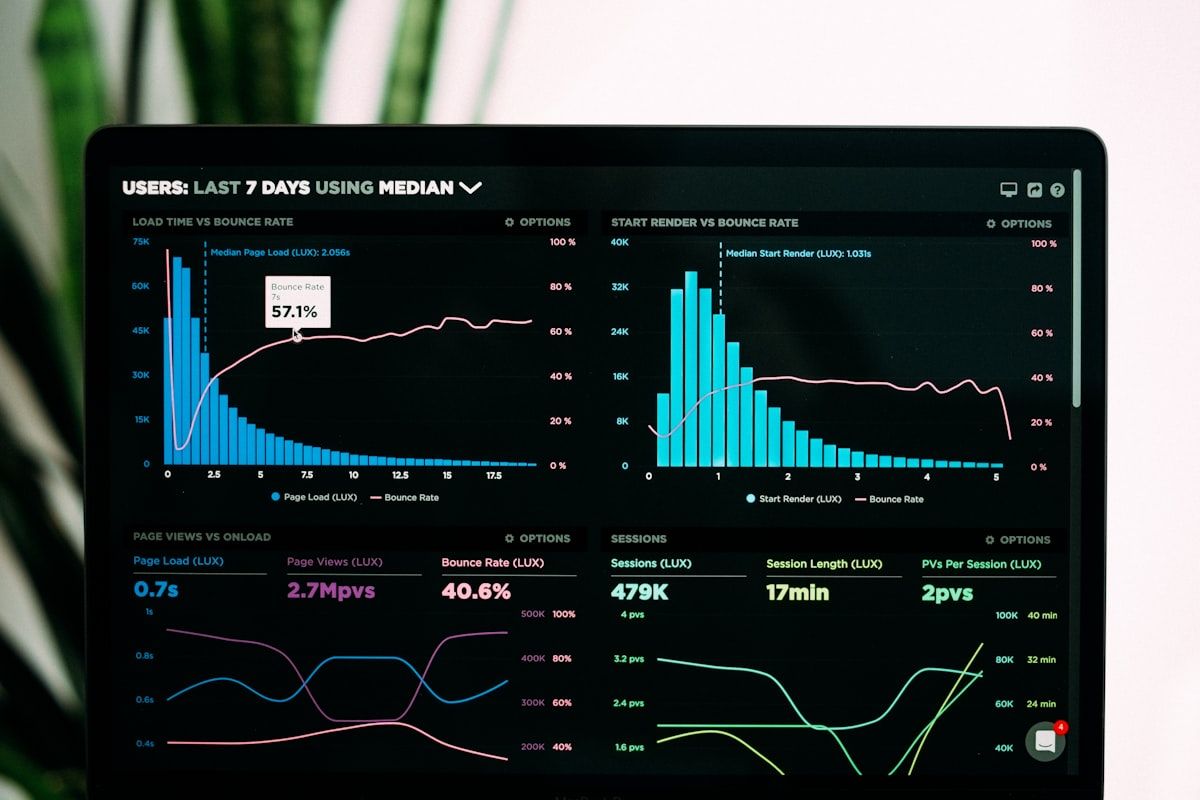
Facilities platforms increasingly rely on usage data. By analysing booking patterns, badge data, and sensor inputs, organisations can understand how space is actually used.
In many cases, this reveals a significant gap between capacity and demand. Large enterprises often discover they are maintaining 30–40% more space than required. AI-driven recommendations allow them to consolidate usage, reduce costs, and improve utilisation.
Energy as a Dynamic System
Energy consumption is another area where static scheduling falls short. Traditional HVAC and lighting systems operate on fixed timetables.
AI-driven systems respond to real occupancy. Heating, cooling, and lighting adjust automatically based on how spaces are used throughout the day. This typically delivers 15–25% reductions in energy consumption, while maintaining or improving occupant comfort.
Integration Is Where Value Compounds
The real value of automation emerges when systems are connected. Scheduling platforms must integrate with building management systems, maintenance workflows, occupancy data sources, and IoT infrastructure.
Individually, each system provides insight. Together, they enable coordinated action. This is what transforms facilities management from a set of tools into an intelligent operational platform.
Implementing Automation in Phases
Most organisations do not move directly to full automation. They begin by improving visibility, collecting data and building dashboards. The next step is automation of alerts and routine workflows.
Optimisation models are introduced later, once sufficient historical data is available to support reliable decision-making. This phased approach reduces risk while allowing teams to adapt operationally.
Final Thought
Facilities management is evolving from manual coordination to intelligent automation. The shift is not just about efficiency. It is about making operations responsive, data-driven, and scalable.
AI does not replace facilities teams. It enables them to operate with greater precision and control.
Building Intelligent Facilities Platforms?
Intagleo Systems helps organizations design AI-powered operational platforms, integrate data across systems, and build infrastructure that supports real-time decision-making.