Adaptive Learning at Scale: Engineering Personalised EdTech Experiences with AI
Adaptive learning systems tailor content, pace, and difficulty to each learner. Building them requires combining learning science with scalable data and AI infrastructure.
Personalisation Is the Core Problem
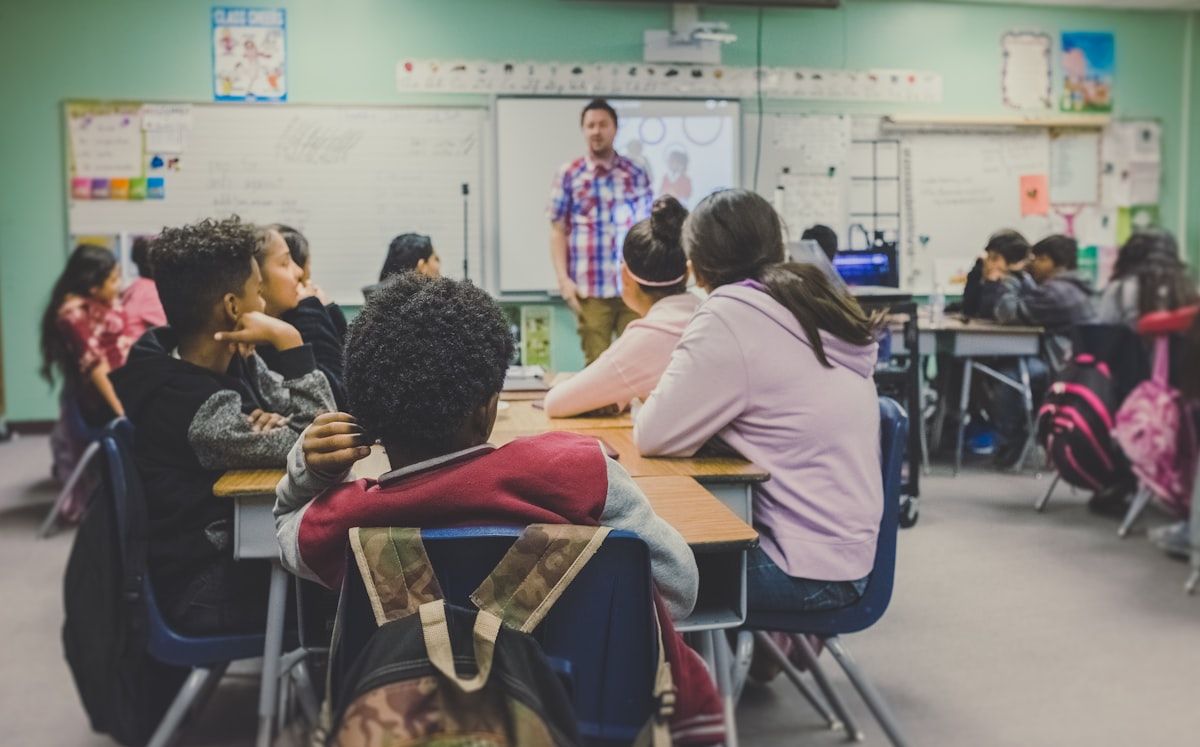
Traditional education systems are designed for consistency. Every learner receives the same material, at the same pace, in the same format.
In practice, learners vary widely in prior knowledge, learning speed, and engagement patterns. The result is predictable: some learners disengage because content is too easy, while others struggle because it is too difficult.
Adaptive learning systems address this mismatch. They continuously adjust what a learner sees based on their current level of understanding.
Modelling the Learner
At the centre of any adaptive system is a model of the learner’s knowledge state. Rather than treating progress as linear, these systems estimate how well a learner understands individual concepts and how those concepts relate to each other.
The goal is to present content that is challenging enough to drive learning, but not so difficult that it causes disengagement, a principle often described as the optimal learning zone.

Knowledge Graphs as the Curriculum Backbone
To support this level of personalisation, the curriculum must be structured. Knowledge graphs provide that structure.
Each concept is represented as a node, with relationships defining prerequisites and dependencies. This allows the system to understand not just what a learner knows, but what they are ready to learn next.
As learners interact with content, their performance updates the system’s understanding of their mastery across the graph. This enables more precise sequencing, targeted remediation, and avoidance of content that depends on unmet prerequisites.
Adaptive Assessment and Item Calibration
Assessment is a critical input to personalisation. Rather than using static tests, adaptive systems rely on calibrated question banks to estimate learner ability more efficiently.
Techniques such as Item Response Theory model how difficult a question is, how well it differentiates between learners, and how likely it is to be answered correctly by chance. Each response refines the system’s estimate of ability, allowing subsequent questions to be selected for maximum informational value. This results in shorter, more precise assessments and a more accurate understanding of learner progress.
Real-Time Recommendation Systems
Once the learner model is updated, the system must decide what to show next. This is typically handled through a recommendation pipeline. The system identifies eligible content based on the knowledge graph, then ranks options based on expected learning benefit and engagement.
To maintain a seamless experience, this process must operate with very low latency. In production systems, recommendations are often partially precomputed and updated incrementally as new learning events occur. The result is a continuous feedback loop between user behaviour and system response.
Balancing Personalisation with Structure
Pure personalisation can lead to fragmentation. Without constraints, learners may skip essential concepts or follow inefficient paths through the curriculum. Effective systems balance flexibility with structure.
Core milestones, prerequisite chains, and curriculum objectives ensure that all learners achieve required outcomes, even as their individual paths differ. This balance is what distinguishes experimental systems from production-grade learning platforms.
Engineering for Scale
Adaptive learning is not just a modelling problem. It is a systems problem. Platforms must process large volumes of interaction data, update learner states in real time, and serve personalised content to potentially millions of users. This requires scalable data pipelines, low-latency APIs, and robust experimentation frameworks to continuously improve models and outcomes. Without the right infrastructure, even well-designed models fail to deliver value.
Final Thought
Adaptive learning systems combine insights from education, data science, and software engineering. The goal is not simply to personalise content, but to improve learning outcomes at scale.
The platforms that succeed are those that integrate these disciplines into a cohesive system, one that adapts continuously while maintaining clarity and structure.
Building Adaptive Learning Platforms?
Intagleo Systems helps organizations design and build scalable EdTech platforms, combining AI-driven personalisation, robust data infrastructure, and high-performance user experiences.